Slowing Down Saves Lives: A Reminder for Our Palisades Neighborhood

Published April 3, 2026

Over the past two months, our Palisades neighborhood has experienced two pedestrian incidents where walkers were stuck by a car —one at the intersection of Overlook and Stafford, and another just this past week on Greentree Ave. These moments are a sobering reminder that pedestrian safety is something we all share responsibility for.

Our neighborhood is full of people walking, biking, and especially students traveling to and from school. That means every time we get behind the wheel, we’re not just driving—we’re helping protect our community.

Why Driving Slowly Matters—Especially Near Schools

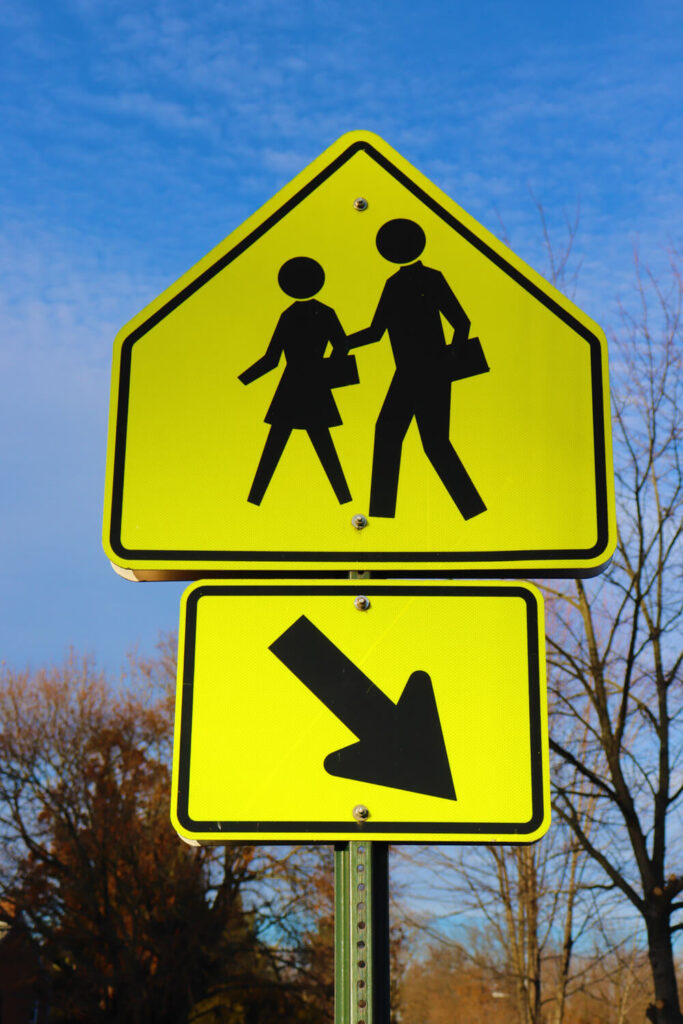
Driving at lower speeds in residential areas and school zones is one of the simplest and most effective ways to prevent accidents. Children, in particular, can be unpredictable. They may be distracted, harder to see, or suddenly enter the street without warning. Slowing down gives you the time and space to react.
Here’s why it matters:

  • Protecting our most vulnerable: Children don’t always look both ways or understand traffic risks. They rely on drivers to be alert and cautious.
  • Limited visibility: Parked cars, buses, and landscaping can obscure pedestrians—especially small children—until the last moment.
  • More time to react: Lower speeds dramatically reduce stopping distance, giving drivers a better chance to avoid collisions.
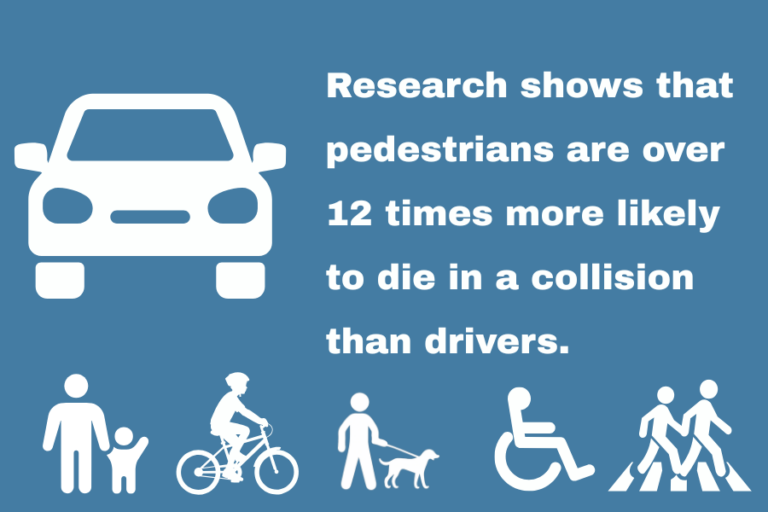
  • Reducing severity of injuries: When accidents do happen, slower speeds can mean the difference between minor injuries and life-threatening harm.
  • It’s the law: School zone speed limits exist for a reason—and ignoring them puts lives at risk.

A Simple Ask to Our Neighbors

Please slow down. Stay alert. Watch for people walking and biking—especially near our neighborhood schools.

Be extra mindful of:

  • Crossing guards
  • School buses with flashing lights
  • Children crossing streets or riding bikes

We all want Palisades to remain a safe, welcoming place for families. Small actions—like easing off the gas—can make a life-saving difference.

Let’s look out for one another. 🚸

WANT TO GET INVOLVED?

VOLUNTEER OR DONATE

PNA Community
Generic selectors
Exact matches only
Search in title
Search in content
Post Type Selectors

Neighborhood Enhancement Program (NEP) Project Coordinator

Primary Role:

  • Handles NEP grant applications, grant approvals, reviews receipts for reimbursement and is the single point of contact between the entire Palisades Neighborhood Association (PNA) and the City.
  • To be successfull in this role you should be organized, communicative.
  • Time commitment: From 8-12 hrs. throughout the year

Process:

  • Accepting NEP proposals: Anyone living in the Palisades Neighborhood Association can submit proposal(s) to the NEP Coordinator along with estimated costs throughout the year. They should follow the application guidelines and answer the questions related to their proposal.
  • PNA Board will Vote on Which Items To Include in our NEP Proposal: During the month of March PNA board meeting the NEP Coordinator asks the board to vote on the proposed item(s). NEP Coordinator encourages person(s) proposing the item(s) to attend the meeting to answer questions that might come up. The PNA board then votes on which items should be included in the NEP grant proposal.
  • Developing and Submitting the NEP Grant Proposalt: During the NEP grant proposal period (usually the month of May) the NEP Project Coordinator:
    • Fills out the NEP grant proposal application based on items approved by the PNA Board;
    • Gets sign offs from the PNA Chair
    • Submits the proposal form to the city in early May for the initial review process
    • Provides additional information requested by the city
    • Revises and submits the final application to the City by the deadline (typically May 31).

What Happens Next:

  • Iris McCaleb from the City forwards the NEP grant proposals to the grant review committee and then to the City Council who review it and awards certain grants.The NEP Coordinator will receive a letter of award from the City and will share it with the PNA Leadership Team.
  • As items are purchased from the approved grant list, the project close-out form is filled out by the person requesting reimbursement. They will attach digital copies of receipts and photos and then submit all to both the NEP Project Coordinator and the PNA Chair. The NEP Project Coordinator submits the reimbursement request to Iris at the City for reimbursement.
  • Reimbursement checks are then sent directly to the person who purchased the item(s).