Ash Tree Removal & Management

Published September 30, 2026

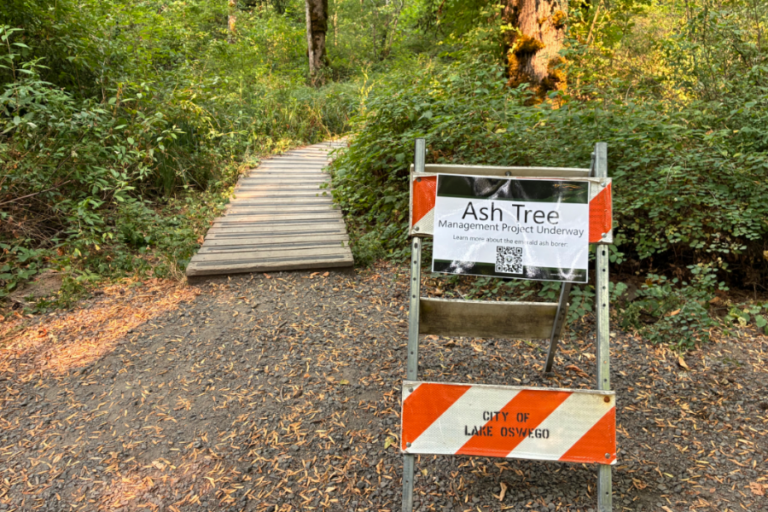
The City is taking proactive steps to prepare for the impacts of the emerald ash borer (EAB), a non-native, invasive beetle that feeds on ash trees and eventually kills them.
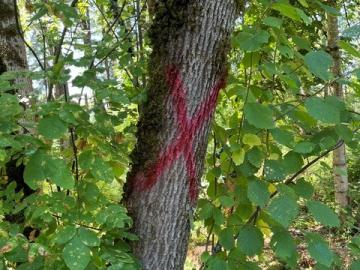
Beginning in October, the City will preemptively remove approximately 150 ash trees from City-owned properties, including parks, open spaces and public facilities. These trees have been identified as potential safety concerns because of their proximity to homes, utilities, pathways and roads. Once infested by EAB, ash trees can decline quickly and become hazardous.

This work is part of the City’s multi-year EAB Readiness & Response Plan, adopted by City Council on August 4, 2026. The plan uses a combination of strategies—including selective tree removal, chemical treatment and leaving some trees in place—to manage the impacts of EAB.

By addressing higher-risk trees before they become hazardous, the City aims to protect residents, City staff and public spaces while managing the anticipated loss of ash trees throughout Lake Oswego. For more information provided by the City of Lake Oswego visit their site here.

What is EAB?
The emerald ash borer (EAB) is a non-native, invasive wood-boring beetle that feeds on and kills ash trees (Fraxinus spp.), including our native Oregon ash. White fringe trees (Chionanthus virginicus) and cultivated olive (Olea europaea) are also at risk.

EAB is now permanently established in Oregon and will inevitably spread to Lake Oswego. Once EAB arrives in an area, it cannot be eradicated – which means it doesn’t go away.

Read the City of Lake Oswego Emerald Ash Borer Readiness and Respond Plan.

WANT TO GET INVOLVED?

VOLUNTEER OR DONATE

PNA Community
Generic selectors
Exact matches only
Search in title
Search in content
Post Type Selectors

Neighborhood Enhancement Program (NEP) Project Coordinator

Primary Role:

  • Handles NEP grant applications, grant approvals, reviews receipts for reimbursement and is the single point of contact between the entire Palisades Neighborhood Association (PNA) and the City.
  • To be successfull in this role you should be organized, communicative.
  • Time commitment: From 8-12 hrs. throughout the year

Process:

  • Accepting NEP proposals: Anyone living in the Palisades Neighborhood Association can submit proposal(s) to the NEP Coordinator along with estimated costs throughout the year. They should follow the application guidelines and answer the questions related to their proposal.
  • PNA Board will Vote on Which Items To Include in our NEP Proposal: During the month of March PNA board meeting the NEP Coordinator asks the board to vote on the proposed item(s). NEP Coordinator encourages person(s) proposing the item(s) to attend the meeting to answer questions that might come up. The PNA board then votes on which items should be included in the NEP grant proposal.
  • Developing and Submitting the NEP Grant Proposalt: During the NEP grant proposal period (usually the month of May) the NEP Project Coordinator:
    • Fills out the NEP grant proposal application based on items approved by the PNA Board;
    • Gets sign offs from the PNA Chair
    • Submits the proposal form to the city in early May for the initial review process
    • Provides additional information requested by the city
    • Revises and submits the final application to the City by the deadline (typically May 31).

What Happens Next:

  • Iris McCaleb from the City forwards the NEP grant proposals to the grant review committee and then to the City Council who review it and awards certain grants.The NEP Coordinator will receive a letter of award from the City and will share it with the PNA Leadership Team.
  • As items are purchased from the approved grant list, the project close-out form is filled out by the person requesting reimbursement. They will attach digital copies of receipts and photos and then submit all to both the NEP Project Coordinator and the PNA Chair. The NEP Project Coordinator submits the reimbursement request to Iris at the City for reimbursement.
  • Reimbursement checks are then sent directly to the person who purchased the item(s).