
Written by: David Westerdahl, PNA Area 12 Representative, Board Member and Emergency Prep Coordinator
I’m writing this in mid-March after our home lost power last night.
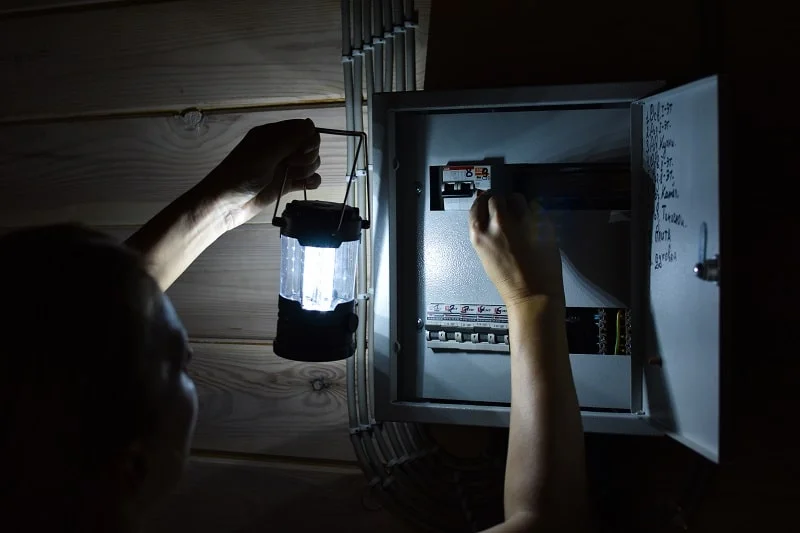
It wasn’t dramatic. No downed trees in our yard. No major storm cell overhead. Just a sudden flicker—and then darkness. Wi‑Fi out. Refrigerator humming to silence. Phones already below 40%. It was restored within a few hours, but it was a useful reminder: even short, routine outages quickly expose how dependent we are on electricity.
As we head into spring in the Pacific Northwest, this is the perfect time for Palisades neighbors to refresh emergency plans before summer wildfire season and before next winter’s storm cycle. While national headlines may focus on hurricanes or international instability, our most likely local risks remain extended power outages, wildfire smoke, severe winter storms, landslides, and the long‑standing Cascadia Subduction Zone earthquake threat.
Power Outages: The Most Likely Disruptor
Last night’s outage was minor. But what if it had lasted 24–72 hours?
A few questions immediately come to mind:
- How much water do we actually have on hand?
- How long would refrigerated food stay safe?
- Are backup batteries charged?
- What about neighbors who rely on powered medical equipment?
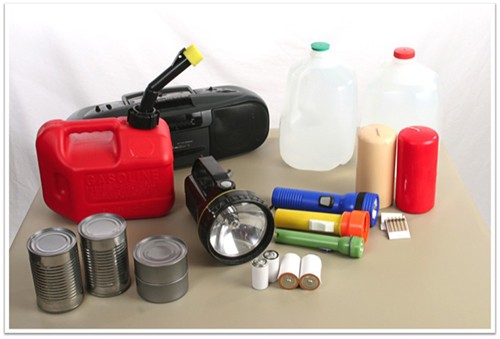
For Palisades residents, a realistic goal is preparation for at least 72 hours without power, ideally up to 5–7 days. That includes:
- One gallon of water per person per day
- Shelf-stable food
- Flashlights (not just phones)
- Battery packs or power stations
- Safe generator planning (never indoors or in garages)
Even a brief outage highlights gaps. Ours certainly did.
Wildfire Smoke Season Is Not Far Off
Now is the time to replace HVAC filters, identify a “clean air room” in your home, and consider a portable HEPA unit if you do not already have one.
Smoke events don’t usually feel urgent until they are already here. Preparation in April feels optional. In August, it feels essential.